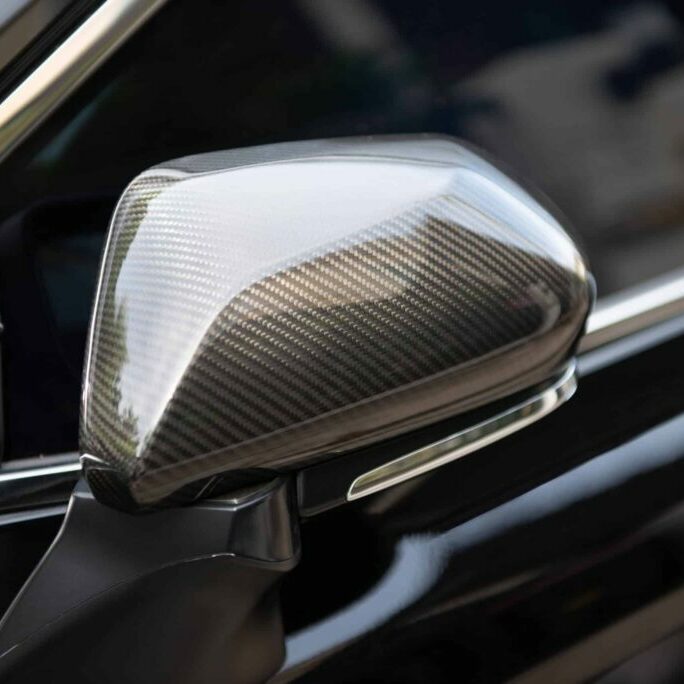
Producing a high-quality composite component starts long before lay-up or cure. It starts with choosing the right tooling material.
The tooling board you select at the start of a project influences every stage that follows, from machining accuracy and surface finish to dimensional stability and production repeatability. Choosing the right material isn't simply a purchasing decision. It's an important part of creating a reliable and effective manufacturing process.
To demonstrate that journey in practice, we recently worked with Envisage Group Ltd and BAMD Composites, bringing together expertise in tooling materials, precision tool manufacture and high-performance composite production.
Starting with the right tooling material
Every tooling application brings different requirements. Temperature, geometry, tolerances, surface finish and manufacturing processes all influence which tooling material is best suited to the job.
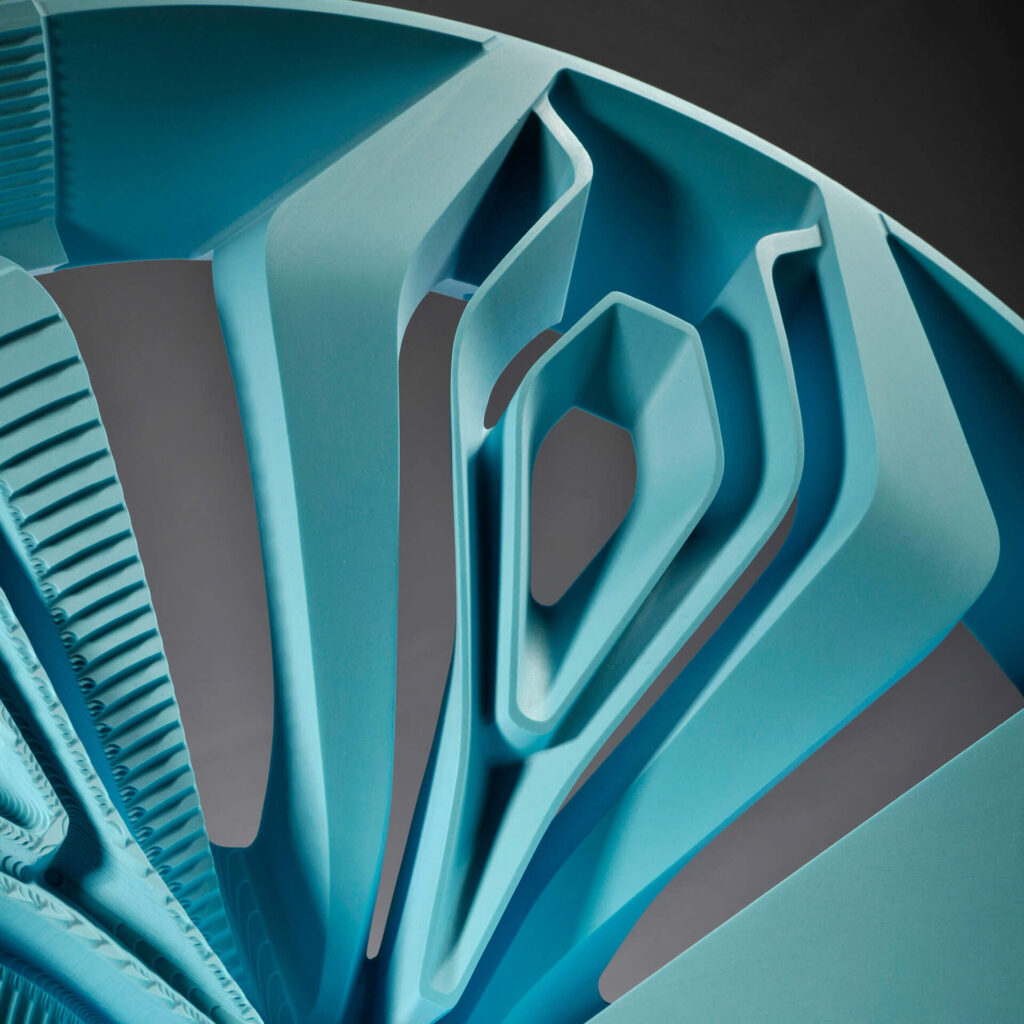
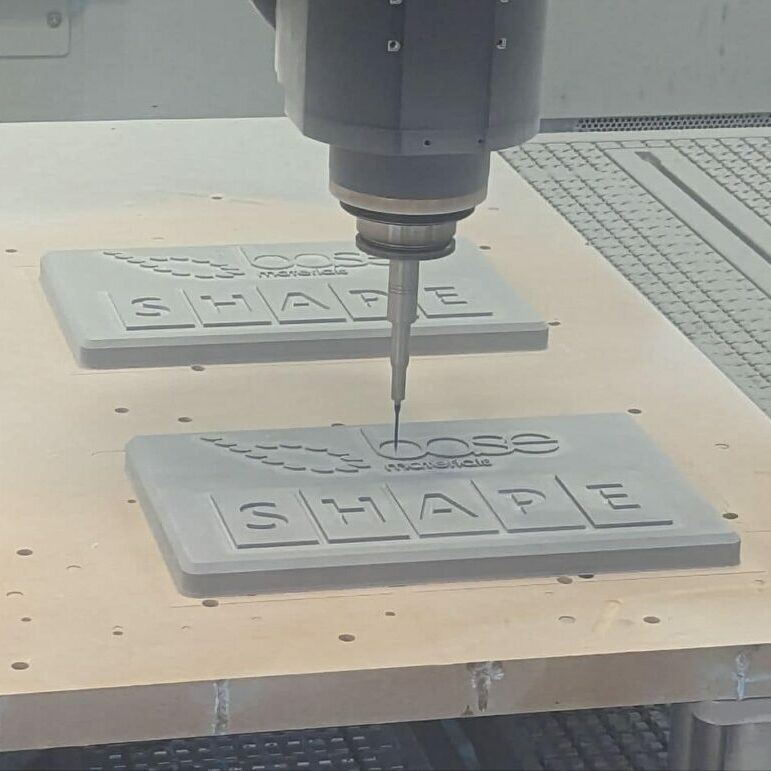
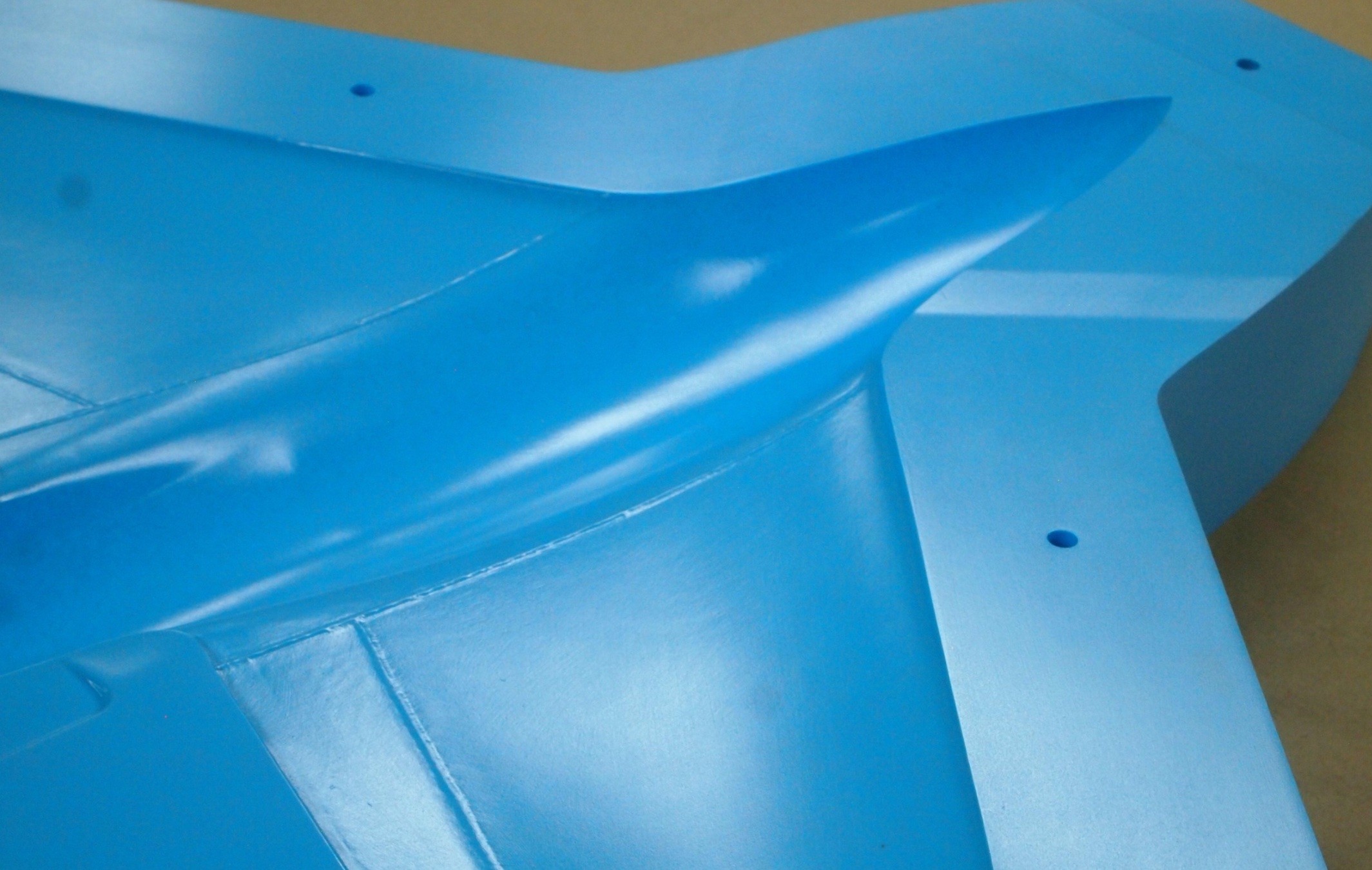
For this project, Envisage used our industry-leading BE978 epoxy tooling board to manufacture the tooling.
BE978 combines a low coefficient of thermal expansion of 39 × 10⁻⁶ K⁻¹ with a glass transition temperature (Tg) of 145°C, making it well suited to applications where dimensional stability and temperature capability are important, including precision patterns, direct tools, jigs and fixtures.
Its surface characteristics also provide a high-quality foundation for machining and finishing, helping manufacturers achieve the surface quality required from the tool and ultimately supporting the quality of the finished component.
Material selection increasingly includes environmental considerations too. BE978 contains 26% bio-based carbon content, measured in accordance with ISO 16620, and we have calculated its product carbon footprint using a cradle-to-gate life-cycle assessment methodology.
Providing this product-level data gives customers greater visibility of the materials they are using and information that can support their own sustainability assessments and supply-chain reporting.
Starting with the right tooling material
Every tooling application brings different requirements. Temperature, geometry, tolerances, surface finish and manufacturing processes all influence which tooling material is best suited to the job.
For this project, Envisage used our industry-leading BE978 epoxy tooling board to manufacture the tooling.
BE978 combines a low coefficient of thermal expansion of 39 × 10⁻⁶ K⁻¹ with a glass transition temperature (Tg) of 145°C, making it well suited to applications where dimensional stability and temperature capability are important, including precision patterns, direct tools, jigs and fixtures.
Its surface characteristics also provide a high-quality foundation for machining and finishing, helping manufacturers achieve the surface quality required from the tool and ultimately supporting the quality of the finished component.
Material selection increasingly involves environmental considerations too. BE978 contains 26% bio-based carbon content, measured in accordance with ISO 16620, and we have calculated its product carbon footprint using a cradle-to-gate life-cycle assessment methodology.
Providing this product-level data gives customers greater visibility of the materials they are using and information that can support their own sustainability assessments and supply-chain reporting.
From tooling to finished composite component
With the tooling manufactured, the process moves into composite production.
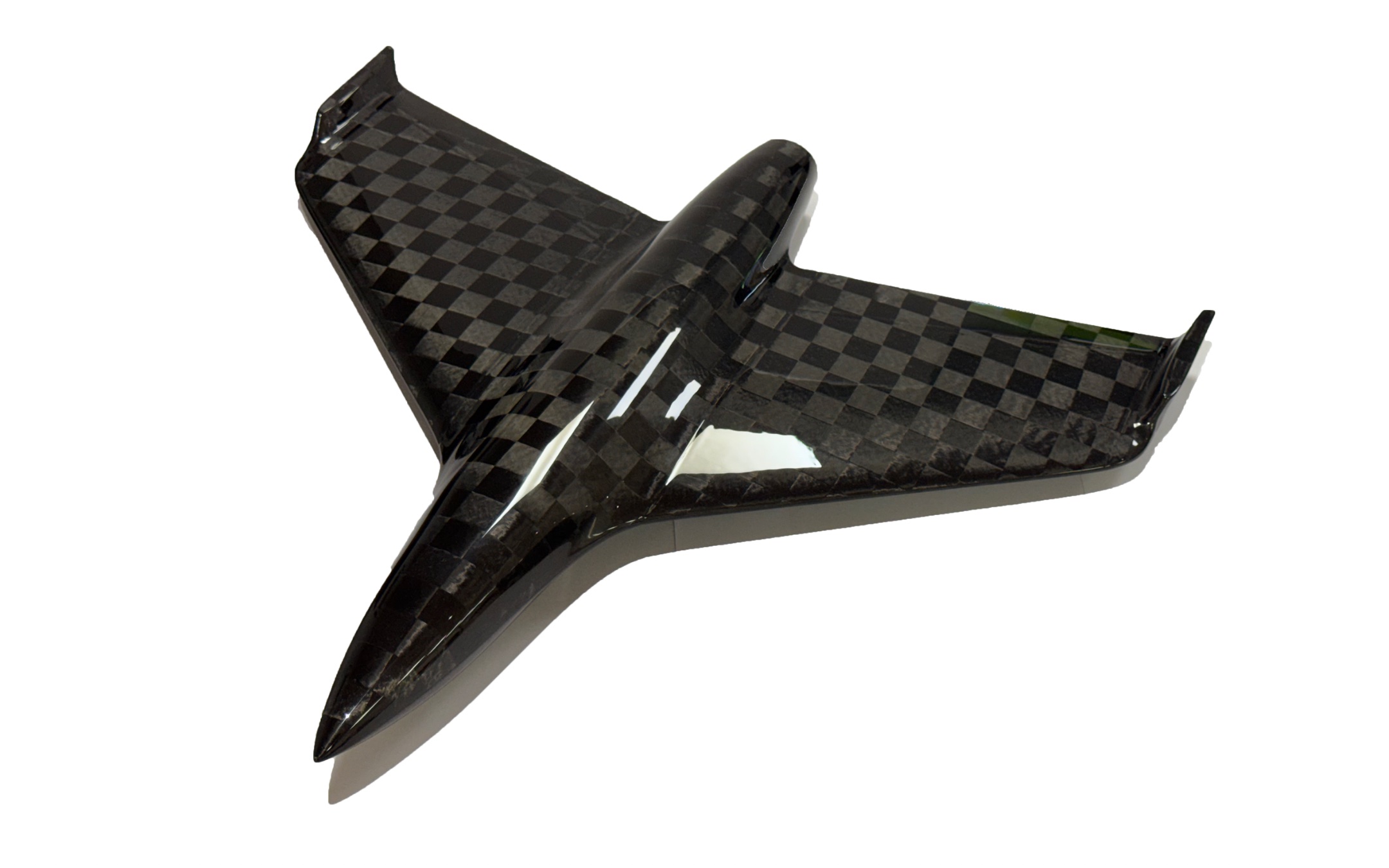
BAMD Composites specialises in high-performance carbon fibre components, with capabilities spanning carbon fibre lay-up, autoclave curing, demoulding, trimming, bonding and assembly.
By this point, decisions made much earlier in the process are already playing their part. The material has been selected for the application, the tooling has been accurately manufactured and finished, and the tool provides the foundation from which the final component can be produced.
Specialist composite manufacturing expertise then takes that foundation through lay-up, cure and the subsequent finishing and assembly stages.
From tooling to finished composite component
With the tooling manufactured, the process moves into composite production.
BAMD Composites specialises in high-performance carbon fibre components, with capabilities spanning carbon fibre lay-up, autoclave curing, demoulding, trimming, bonding and assembly.
By this point, decisions made much earlier in the process are already playing their part. The material has been selected for the application, the tooling has been accurately manufactured and finished, and the tool provides the foundation from which the final component can be produced.
Specialist composite manufacturing expertise then takes that foundation through lay-up, cure and the subsequent finishing and assembly stages.
OTHER NEWS