For decades, manufacturers have focused on improving performance, reducing costs and accelerating development cycles. More recently, sustainability has joined that list of priorities. And, as a result, product carbon footprint figures are becoming increasingly common across manufacturing.
They now feature in product literature, on websites, in procurement questionnaires, tenders and in sustainability reports as organisations seek to understand and demonstrate their environmental impact and performance.
This growing focus on carbon measurement is encouraging. It reflects an industry that is taking sustainability more seriously and recognising the importance of reducing environmental impact. However, there is also a growing risk. Without understanding how product carbon footprint figures have been calculated, it is easy to make comparisons that are inaccurate or misleading.
Not all carbon footprint figures measure the same thing
Two products may both publish a carbon footprint expressed in kilograms of carbon dioxide equivalent (kg CO₂e). At first glance, one figure may appear lower than another, suggesting a more sustainable product. Those figures may have been calculated using completely different methodologies.
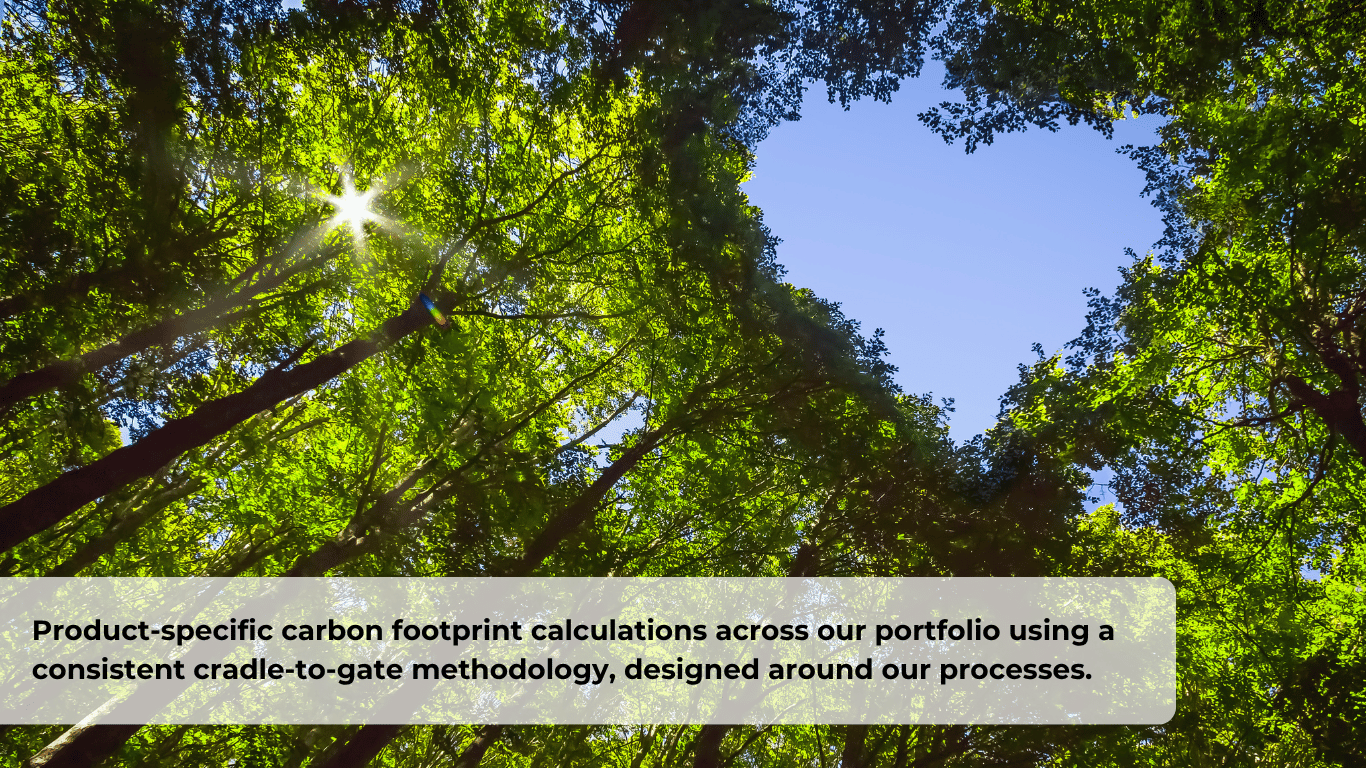
One manufacturer may measure emissions from raw material extraction through to manufacture, known as a cradle-to-gate boundary. While another may include transportation, product use and end of life taking into account a broader cradle-to-grave boundary. Both approaches are valid, but they answer different questions and should not be compared directly without understanding the scope of each assessment.
The quality of the underlying data also makes a significant difference. Some assessments rely on generic industry averages while others incorporate specific information obtained from the supply chain along with manufacturing data that provides a more representative picture of a product's environmental impact.
Why methodology matters
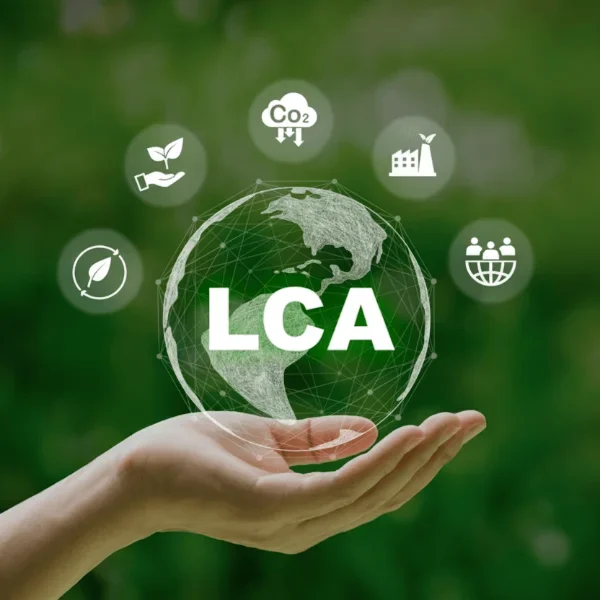
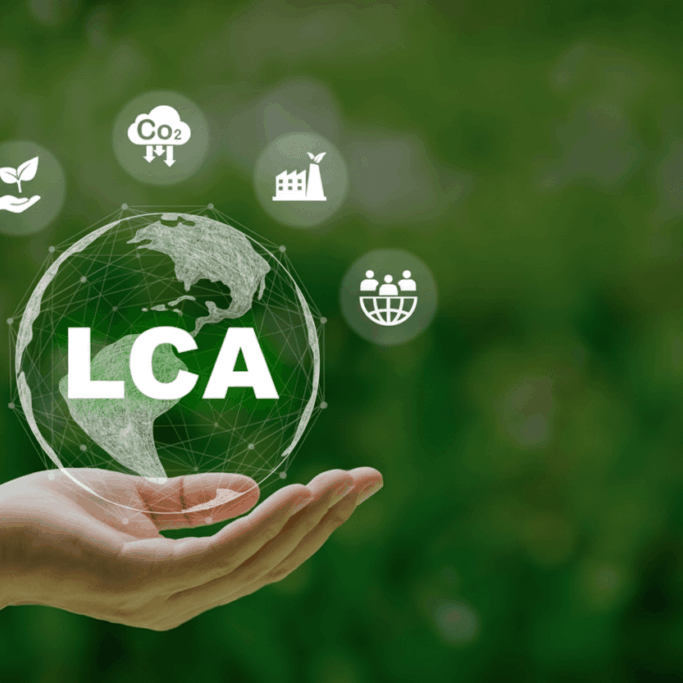
A carbon footprint figure should never be viewed in isolation. The methodology behind the calculation is just as important as the number itself. International standards such as ISO 14067, ISO 14044 and the GHG Protocol Product Standard provide recognised frameworks that help ensure calculations are transparent, consistent and repeatable.
Without that consistency, comparisons become increasingly difficult. A lower headline figure does not necessarily represent a lower environmental impact if different assumptions or boundaries have been applied. For procurement and operations teams making material selection decisions, understanding how environmental data has been generated is becoming just as important as understanding a product's technical performance.
Supporting better decisions through transparency
Manufacturers are increasingly being asked to provide evidence rather than broad sustainability claims. Customers want confidence that environmental data is robust, comparable and backed by recognised methodologies.
That shift is helping move the industry towards greater transparency. Rather than asking simply, "What is your product carbon footprint?" customers are increasingly asking, "How was it calculated?" This is an important distinction. Reliable environmental data enables better engineering decisions, supports more informed procurement and helps businesses identify genuine opportunities to reduce emissions across their operations.
Transparency, not just a headline figure
At Base Materials, we believe that meaningful sustainability progress starts with understanding the full picture. That means looking beyond a single carbon footprint figure and being transparent about the methodology, data and boundaries behind it.
Our approach is focused on building a clearer understanding of the environmental impact of our materials, using robust data and recognised methodologies to support more informed decision-making. By continuing to improve the quality and transparency of our environmental data, we aim to help customers better understand the impact of the materials they select and identify opportunities to make more sustainable choices.
OTHER NEWS