For years, manufacturers have focused on improving performance, reducing costs and accelerating development cycles. Sustainability has often been discussed alongside those priorities, but turning ambition into measurable action has proved far more difficult.
Many organisations still struggle to access reliable product-level carbon data, making it challenging to compare materials, understand environmental trade-offs or support increasingly detailed reporting requirements.
For Base Materials, a UK manufacturer of high-performance materials and services serving sectors including aerospace, automotive, motorsport, marine and subsea, that challenge became an opportunity. The company's proprietary dynamic Life Cycle Assessment (LCA) tool, developed in partnership with specialist consultancy MyCarbon, has earned recognition in the Manufacturing Supplier Innovation Awards UK 2026 as the winner of the Most Innovative Provider of Sustainable Materials category.
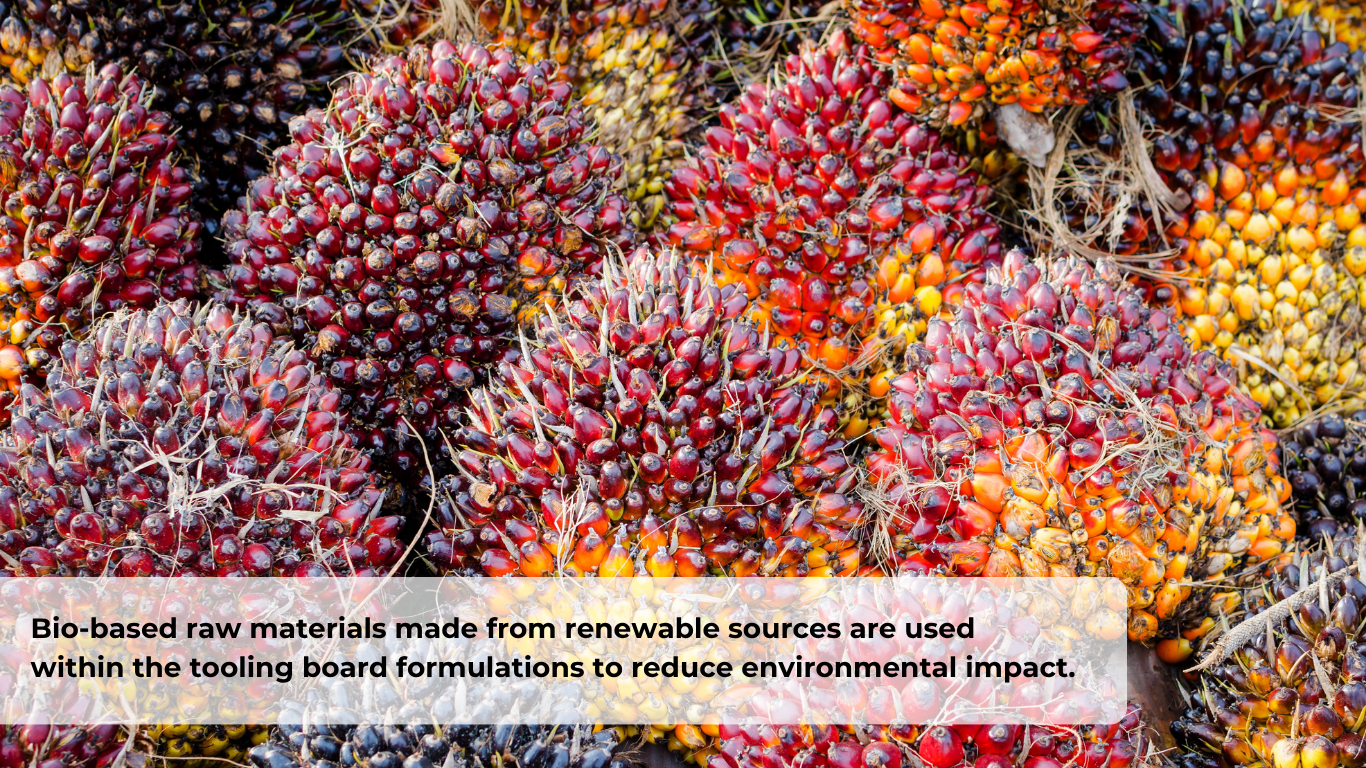
The tool provides product-specific carbon footprint calculations across Base Materials' portfolio using a consistent cradle-to-gate methodology. Rather than relying on broad assumptions or generic industry averages, it is designed around the company's own formulations, manufacturing processes and supply chain inputs, creating a more detailed understanding of environmental impact.
"The development of the tool was driven by increasing customer demand for more reliable environmental data, alongside our own desire to better understand the carbon impact of our products," Sophie Hudson, Head of Marketing at Base Materials, who is leading the charge on sustainability, explains. "We recognised very early on that commissioning individual lifecycle assessments for every product would not be practical. We wanted a scalable approach that could become part of our continuous improvement programme rather than a one-off exercise."
Turning data into decisions
As sustainability requirements continue to evolve, manufacturers are facing growing pressure to provide greater transparency throughout their supply chains. Customers increasingly want evidence rather than broad sustainability claims, while procurement teams place greater emphasis on environmental data when selecting materials and suppliers.
This creates a challenge for many organisations. Gathering accurate data across raw materials, manufacturing processes, packaging and logistics is often complex, particularly when products are highly specialised or produced in relatively low volumes.
For Base Materials, building the tool required significant collaboration across the business.
"The biggest challenge was data quality and consistency," Hudson adds. "Creating meaningful product-level carbon assessments depends on detailed information from multiple sources. We worked through a process of validation, cross-checking and continual refinement, increasing the use of supplier-specific information wherever possible and improving the accuracy of the model over time."
The result is a platform that enables Base Materials to generate repeatable carbon footprint data across its product range while maintaining the confidentiality of its formulations and manufacturing expertise. The methodology aligns with recognised standards including ISO 14067, ISO 14044 and the GHG Protocol Product Standard.
That level of consistency is becoming increasingly important as manufacturers seek to compare materials, understand carbon hotspots and make more informed development decisions.
Supporting customers and innovation
While the tool has strengthened Base Materials' own sustainability capabilities, its greatest value may lie in how it supports customers. The ability to provide auditable product-level carbon data gives customers greater confidence when evaluating material choices, while also supporting Scope 3 reporting and wider sustainability initiatives. It has also enabled more detailed conversations around lifecycle impacts, extending beyond manufacturing to include use-phase considerations and potential end-of-life scenarios.
"One of the most valuable outcomes has been the way the tool supports collaboration with customers," Hudson says. "It allows us to have more informed technical discussions about material selection, carbon impact and product development. In some cases, it has also supported wider lifecycle studies that help identify where the greatest environmental impacts occur and where meaningful improvements can be made."
Internally, the benefits extend beyond reporting. The tool has improved visibility of carbon hotspots, strengthened product optimisation efforts and created new opportunities to evaluate environmental impacts earlier in the development process.
Increasingly, sustainability considerations are being incorporated alongside technical and commercial requirements rather than being treated as a separate exercise.
"Our approach to innovation has always been practical and customer-led," Hudson explains. "We focus on solving genuine manufacturing challenges and increasingly that includes helping customers understand environmental performance in the same way they would evaluate cost, quality or technical capability."
Looking beyond compliance
Environmental reporting requirements will continue to evolve, but Base Materials believes the industry's relationship with sustainability data is also changing. Over the next two years, Hudson expects product-level environmental information to play a greater role in procurement decisions, product development programmes and supply chain collaboration. Manufacturers will increasingly demand credible, application-specific data rather than broad sustainability statements.
To support that shift, Base Materials is already working on the next phase of development. Planned enhancements include updated production datasets, the addition of newly launched products, expanded packaging scenarios and greater consideration of end-of-life modelling. The company also sees opportunities to use the tool earlier in research and development activities, helping teams assess environmental impacts before products reach the market.
"This recognition acknowledges the work that has gone into building a capability that supports both our business and our customers," Hudson concludes. "More importantly, it helps create better conversations about material choices, environmental impact and how manufacturers can make more informed decisions as sustainability becomes an increasingly important part of the industry's future."
First published in Manufacturing Today Magazine, 2026.
OTHER NEWS